The Thrill of Chance
At the heart of casino play lies the inherent thrill associated with chance and unpredictability, and many players often explore various betting sites to enhance their gaming experience. This allure captivates players, creating an adrenaline rush that is difficult to replicate in everyday life. The random outcomes, whether it be a spinning roulette wheel or a slot machine’s spinning reels, present the possibility of a significant win. The psychology of this thrill is often linked to the brain’s reward system, which releases dopamine when players experience wins, no matter how small, reinforcing the desire to continue playing.
This dopamine release can create a cycle of behavior where players chase the next high, leading them to engage in riskier bets. The psychological phenomenon known as the “near-miss” effect plays a significant role here; when players come close to winning, their brains may misinterpret this as a sign that victory is just around the corner. Such experiences can heighten a player’s desire to continue gambling, often disregarding the statistical realities of their odds. As a result, emotional highs and lows become part of a player’s gambling experience, encouraging them to return to the tables repeatedly.
Furthermore, the concept of variable rewards is crucial in understanding why players become addicted to gambling. In casinos, outcomes are not predictable; winning one time does not guarantee that the player will win again. This unpredictability keeps players engaged, as they never know when their luck will turn. It exploits the brain’s natural tendencies towards seeking rewards, creating a behavior pattern where anticipation builds excitement. Hence, understanding this psychological component helps explain why casinos are so successful at attracting and retaining players, making the experience almost irresistible.
The Role of Environment
The physical layout and ambiance of a casino play a pivotal role in influencing player behavior. From the vibrant colors of slot machines to the strategically placed gaming tables, every aspect is designed to create an engaging and immersive environment. Casinos often employ sensory elements like sounds, lighting, and even scents that entice players to stay longer and spend more money. Research has shown that these carefully curated environments activate positive emotions associated with gambling, further enhancing the overall experience.
Moreover, the absence of clocks and windows in many casinos helps create a disorienting atmosphere, encouraging players to lose track of time. This strategic design choice is vital to keeping players in a state of flow, where they become so engrossed in their gameplay that they overlook their spending and the passage of time. Consequently, the environment acts as a psychological tool that manipulates the players’ perceptions and behaviors, ensuring they remain engaged with the games.
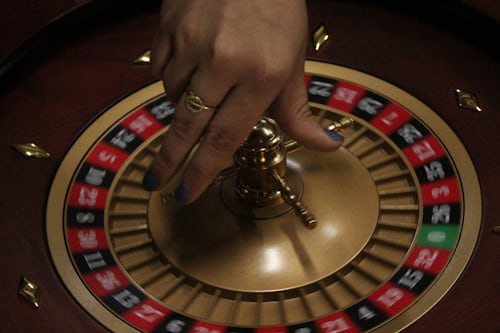
Casinos also curate social interactions within their spaces, fostering a sense of community among players. Whether it’s through communal games or shared experiences at high-stakes tables, players often find camaraderie with others who enjoy similar pursuits. This social aspect can enhance the gambling experience, making it more enjoyable and reinforcing the desire to return. In this way, the casino environment becomes a multi-faceted psychological landscape that shapes player behavior through both physical design and social dynamics.
The Influence of Gambling Myths
Gambling myths and misconceptions greatly affect player psychology, shaping their beliefs and behaviors in significant ways. Many players cling to superstitions, such as lucky charms or specific rituals before making bets, believing these actions can influence their odds. These false beliefs can lead to an inherent overconfidence, where players assume that past results will predict future outcomes. This misconception often ignores fundamental principles of probability, causing players to make ill-informed decisions that work against their interests.
The impact of these myths extends beyond individual players, influencing gambling culture as a whole. For instance, the misconception that a “hot” machine is more likely to yield wins can lead to clusters of hopeful players gathering around certain games. Such behaviors not only alter the dynamics within the casino but also perpetuate the cycle of gambling as players collectively chase their perceived fortunes. The psychological need to believe in control amid randomness serves as a fundamental driver of these myths, making them persist in the gambling community.
In addressing these myths, it becomes evident that education plays a crucial role in responsible gambling. By providing players with accurate information regarding odds and statistics, casinos can help mitigate the psychological impacts of these misconceptions. Responsible gaming campaigns can promote a healthier understanding of gambling, empowering players to make informed choices rather than relying on chance and superstition. This shift in understanding can ultimately contribute to a more balanced and thoughtful approach to gambling, enhancing player experiences while minimizing the risks of addiction.
The Impact of Technology
In recent years, technology has transformed the landscape of gambling, significantly impacting the psychology of players. Online casinos and mobile gaming applications have made gambling more accessible than ever, allowing players to engage in their favorite games from the comfort of their own homes. This ease of access can blur the lines between casual gaming and addictive behavior, as players are less likely to feel the immediate consequences of their choices compared to traditional casinos. Enhanced features like live dealer games further replicate the casino experience, making it incredibly tempting for players to engage more frequently.

Additionally, technology has introduced personalized experiences through algorithms that track player preferences and behaviors. This data-driven approach allows casinos to tailor their offerings and promotions to individual players, often providing incentives that encourage continued play. While this personalization can enhance the user experience, it also raises ethical concerns regarding manipulation and the potential for fostering addictive behaviors. The delicate balance between enhancing player enjoyment and ensuring responsible gambling practices has become a focal point for both operators and regulators.
Moreover, social media and online communities play a significant role in influencing gambling behaviors. Players now share their experiences, wins, and strategies online, further shaping perceptions about gambling. However, this exposure can also create an illusion of success, misleading potential players into believing that gambling is a reliable source of income. Understanding the psychological implications of technology in gambling is essential for developing responsible practices that prioritize player well-being while still providing engaging experiences.
Discover More About Gambling Psychology
To delve deeper into the intricate psychology of casino players, there are numerous resources and websites dedicated to this fascinating field. These platforms not only explore the psychological factors involved in gambling but also provide insights into responsible gaming practices. By engaging with these materials, players can gain a more comprehensive understanding of their behaviors and motivations, ultimately leading to healthier gambling habits.
Additionally, many organizations are committed to promoting awareness around gambling addiction and providing support for those affected. They offer tools and support systems designed to help players navigate their experiences, ensuring they have avenues to seek assistance if needed. By encouraging dialogue about gambling psychology, these resources contribute to a more informed community that prioritizes responsible gaming while still embracing the entertainment aspects of playing.
As the landscape of gambling continues to evolve, keeping abreast of its psychological implications will be essential for both players and operators. Engaging with educational resources and communities focused on gambling psychology can lead to more enriched experiences, enhancing understanding and fostering a culture of responsible gambling. Through awareness and education, players can better navigate their gambling journeys, balancing enjoyment with mindfulness.