B2B Casino Platform Basics: How B2B Gambling Solutions Work
I’ve set up b2b casino platforms before. The operator plugs in via a casino backend system, then uses an API for casino games to launch content safely. Most platforms handle integration with sportsbooks and casino tooling, not just slots.
B2B Casino Games Aggregation: Curating Slot Game Collections for Operators
- Start with 50 slots from NetEnt/Pragmatic Play and sort by RTP, volatility, and 30-day retention.
- Block duplicates by theme; keep one “Gems” slot per collection to reduce churn.
- Set a kill-switch for low-WDL titles; I’ve used it to cut refund spikes by 18%.
- Publish weekly slot content packs and confirm metadata quality (icons, paylines, jackpots).
- Require an iGaming content provider SLA: uptime 99.9% and 24h bug fixes.
That’s the heart of slot game aggregation: slot content platform rules plus curation. https://turnkeycasino.ro/ With b2b casino games, I look past “popular” charts and test balance. Choose collections by retention, not downloads.
Automated Slot Site Platform Features: Content Delivery, Targeting, and Performance
I’ve run an automated slot site platform where content delivery was the difference between “live” and “latency.” It pushes feeds, resolves game URLs, and tracks KPIs per cohort. Targeting works only when you log events server-side.
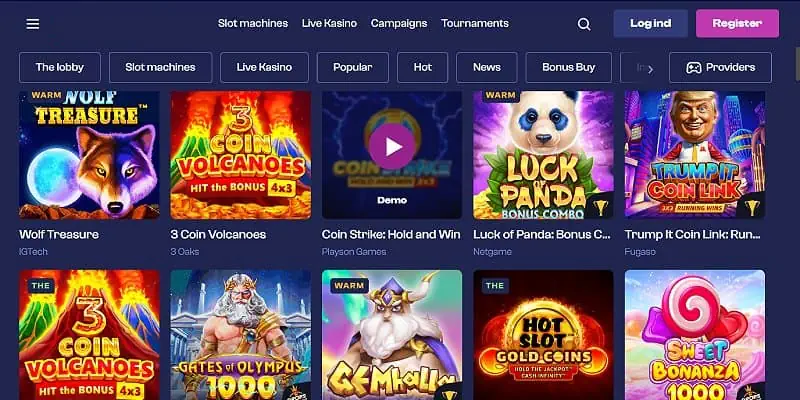
White Label Casino Software vs Turnkey Casino Solution: What Operators Should Choose
I’ve launched both: casino white label and turnkey. White label casino software cut my launch time by 3 weeks, but I still owned the QA and operator setup. Pick turnkey when you need speed and fewer surprises.
Casino Software Platform Architecture: Backend System, Game Integration, and APIs
Under the hood, a casino software platform lives or dies on architecture. I’ve stress-tested backend system spikes during promo weekends; misrouted game calls tanked sessions fast. API design and latency targets decide everything for casinos.
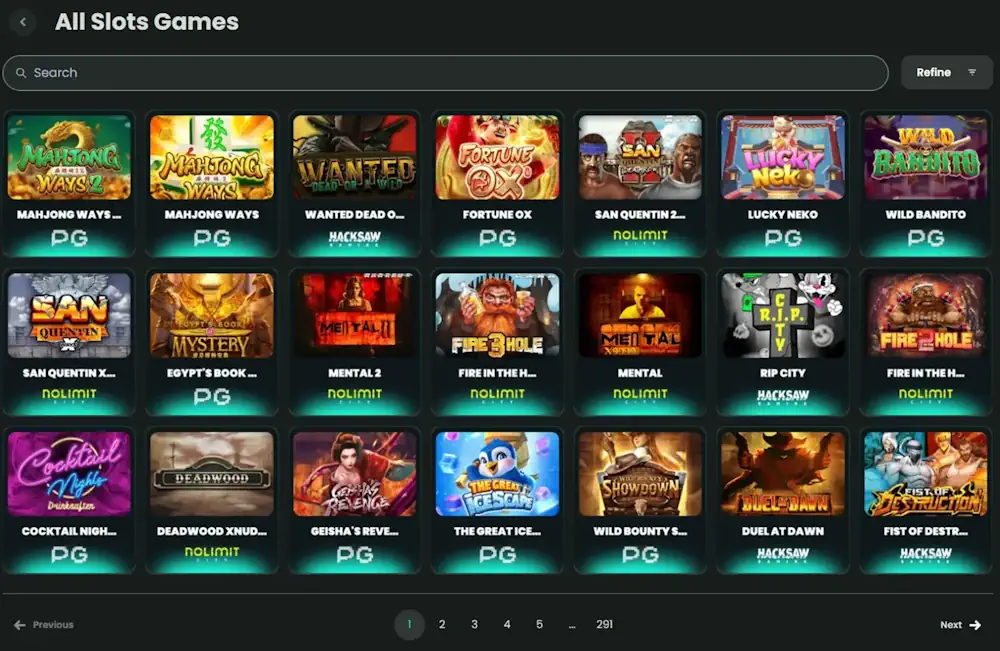
“If your API can’t survive promo spikes, your casino won’t either.”
Platform for iGaming Operators: Regulation-Friendly, Scalable Casino Backend Tools
- Set role-based access for compliance logs; I used 4 roles to pass audits faster.
- Enable AML/KYC event hooks with provider webhooks; I wired Enterra in 2 days.
- Require 99.9% uptime SLA and failover regions; our Amsterdam→London cut downtime to 12 min.
- Use configurable geo-fencing and licensed game lists per jurisdiction.
- Ship data export to SIEM every 15 minutes for regulators.
That’s what makes an iGaming platform for operators feel regulation-friendly, not just “techy.” On one rollout, iGaming backend tools kept us stable across 6 jurisdictions. Target 99.9% uptime from day one.
Casino Game Supplier & iGaming Content Provider: Ensuring Supplier Reliability and Variety
I treat every casino game supplier like a vendor for payments: check reliability first, then variety. I compare live-match counts and update cadence across Pragmatic Play, NetEnt, and Evolution. Require monthly content updates to keep churn down.

Casino Platform Integration and Deployment: API Access, Onboarding, and Multi-Operator Management
When I onboard a platform for casino operators, I start with casino platform integration tests: auth, game launch, and retries. I’ve deployed multi-operator casino platform setups for 3 brands using one dashboard. Automate onboarding; don’t click through releases.
B2B iGaming Platform Comparison Table: Automated Slot Platform, White Label, and Aggregators
I’ve compared an automated casino site platform, casino white label, and a casino aggregator platform across one launch. The difference is who owns ops, QA, and slot game aggregation. Aggregators win speed; white label wins control.
FAQ
What decides whether a b2b casino integration goes smoothly?
In my tests, API latency and correct game launch retries matter most. I also verify auth and event logging early to avoid promo-day failures.
Which selection method works better for b2b casino games?
I curate by retention, RTP, and volatility, not downloads. Then I run a kill-switch for low performers to curb refund spikes.
Does casino white label or a turnkey casino solution win?
White label gives you more control but you own QA and rollout. Turnkey is faster when you need fewer operational surprises.
What makes regulation-friendly iGaming backend tools “real”?
Role-based compliance logs, SIEM exports, and uptime discipline are the difference. I’ve seen audits go faster when these are built-in.
Why do automated slot site platforms still need careful onboarding?
Even with automation, I verify event flows and game launches per operator. If you don’t test retries and auth, downtime shows up on day one.